An alternative to fast fashion: why thrift stores are the best option today
An alarming statistic reveals the scale of the problem: Shein accounted for 28% of French teenagers' CO2 emissions in 2022. Fast fashion has profoundly altered our relationship with clothing, making the price of a t-shirt sometimes lower than that of a coffee. This distortion of value has led to massive overconsumption with disastrous ecological and social consequences. Faced with this reality, secondhand clothing has emerged as the most relevant alternative. Combining affordability, a reduced carbon footprint, and authentic style, it allows us to dress differently without sacrificing quality or budget. This article details why and how secondhand clothing now surpasses all other options for those who want to break free from the destructive cycle of fast fashion.
Fast fashion: understanding the problem to better overcome it
What is fast fashion and why is it a problem?
Fast fashion refers to a mass production model that prioritizes rapid trend reproduction at the expense of quality and ethics. Between 2020 and 2023, Shein captured a third of the ultra-fast fashion market share, flooding the market with disposable clothing. This system relies on an intensive production cycle, carbon-intensive logistics, and often appalling working conditions. Factories ramp up production to supply websites that offer hundreds of new items daily. The result: clothes designed to last only a few washes, sold at prices that defy all economic logic. This race for novelty generates colossal CO2 emissions , from maritime transport and customer returns to systematic overproduction. The meager wages of workers and the disregard for health and safety standards complete this alarming picture.
- A constant renewal of collections encourages compulsive buying.
- Cheap synthetic materials that are polluting to produce and recycle
- Social exploitation has become commonplace in producing countries.
- International logistics generating tons of CO2 per item sold
The quantified environmental and social impact
Every garment from fast fashion travels across several continents before arriving in stores or at your home. This supply chain multiplies greenhouse gas emissions , exacerbated by the short lifespan of the products. A Shein t-shirt worn three times before being thrown away will have generated more pollution than a vintage 90s sweater worn for ten years. Textile overproduction also consumes astronomical quantities of water and chemicals. On a social level, wages remain well below the subsistence level in many subcontracting factories. The resurgence of overconsumption post-Covid has amplified these problems: Zara and its competitors are breaking sales records by releasing numerous collections. This economic model relies on planned obsolescence in clothing, making each purchase quickly obsolete and requiring the cycle to begin again.
- The average lifespan of a fast fashion garment is less than one year.
- Water consumption doubled compared to conventional production standards
- Working conditions lacking even minimal social protections
Second-hand clothing stores: a real ecological and economical alternative
The tangible advantages of second-hand clothing stores
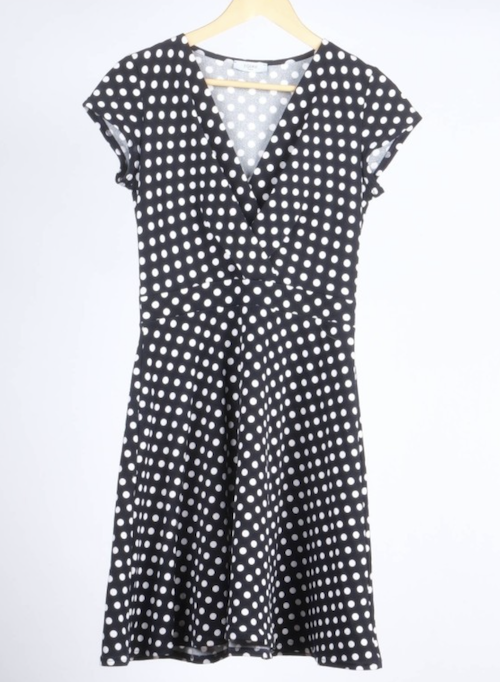
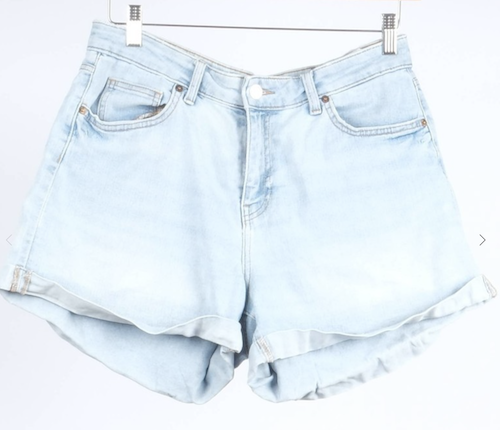
Choosing a thrift store means giving a second life to clothes that have already been produced, thus avoiding the need to use resources to manufacture new ones. From an environmental perspective, the impact is immediate: no additional production, no intercontinental transport, no water or dye consumption. Economically, prices generally range from €10 to €40 depending on the selection and quality, making fashion accessible without encouraging waste. Contrary to popular belief, a thrift store is not a charity shop: they are often boutiques offering a carefully curated selection of vintage pieces from the 1970s to the 2000s, chosen for their style and condition. These garments are distinguished by a heavier weight and robust materials, reflecting an era when durability went hand in hand with quality. A pair of jeans from the 1990s far surpasses the durability of an equivalent pair produced in 2023. Aesthetically, each visit to a thrift store yields unique finds impossible to mass-produce, allowing you to express your authentic personal style.
- Drastic R of carbon footprint without compromising on clothing
- Affordable prices for top-quality parts
- Authentic style thanks to vintage pieces that can't be found anywhere else
- Durable materials that withstand dozens of washes
As experts point out: buying secondhand is good for the planet and gives you a unique style. If you're looking to refresh your wardrobe responsibly, discover our vintage selection by decade ✅.
The democratization of second-hand goods: figures and trends
The global secondhand market has now reached $128 billion, driven by growing environmental awareness. In Europe, 98% of consumers say they are attracted to this option, a sign of a major cultural shift. Generation Z, particularly sensitive to climate issues, is embracing thrift stores and peer-to-peer resale platforms. Social media is amplifying this trend by promoting vintage looks and normalizing the purchase of secondhand clothing. Once associated with hippie and punk movements, thrift shopping has become secondhand for all generations. In university towns like Caen, vintage boutiques are flourishing, reflecting a growing demand for responsible alternatives. This democratization is accompanied by a professionalization of the sector, with retailers offering themed selections and personalized advice.
- A rapidly growing market driven by Generation Z
- Normalization of second-hand goods via social media
- Proliferation of specialist shops in major cities
Thrift stores vs. fast fashion: an objective comparison
Why do thrift stores prevail over other options?
Thrift stores offer the best value for money and environmental impact in today's textile market. Unlike often expensive ethical brands, they remain financially accessible while guaranteeing a minimal ecological footprint. In contrast to fast fashion, they offer time-tested clothing whose durability is undeniable. Stylistically, they allow you to express a unique personality impossible to replicate with mass-produced collections. Vintage pieces tell a story, possessing an authenticity that new clothing struggles to imitate. For those who refuse to compromise between budget, ethics, and aesthetics, thrift stores are the obvious choice. They also respond to a growing aspiration: to consume less but better, prioritizing lasting quality over frenetic accumulation. Finally, they stimulate a local economy often driven by passionate individuals eager to share their textile expertise.
- Immediate accessibility without sacrificing quality or impact
- Authentic style impossible to reproduce industrially
- Support for a local and circular economy
- Responsible consumption aligned with climate challenges
To adopt a truly sustainable wardrobe, explore our selected second-hand clothing and join the movement 👉 The Sales Thieves .