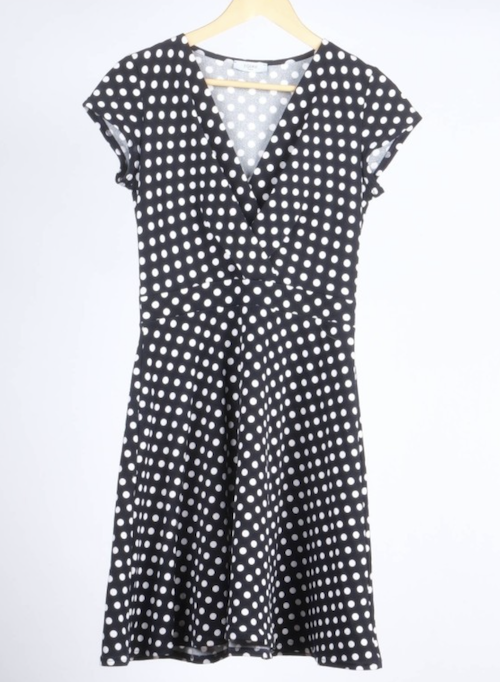
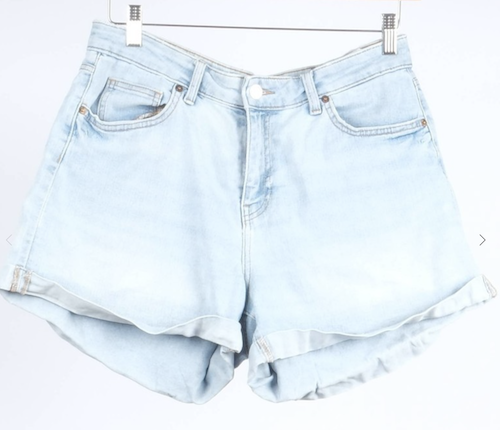
Before/After: Transforming a Thrift Store Room
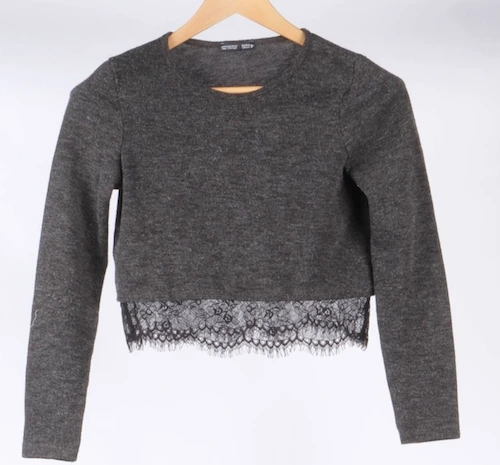
Thrift stores are overflowing with unexpected treasures, often overlooked for a simple stain or an outdated cut. Yet, these secondhand clothes offer fertile ground for creativity and textile upcycling. Transforming a thrift store item requires neither exceptional skills nor a large budget: a few simple steps are all it takes to give a second life to worn jeans, a yellowed t-shirt, or a plain shirt. This approach combines ecological and creative benefits, while allowing you to build a unique wardrobe far removed from the codes of fast fashion. From textile dyeing to customization, the techniques are varied and accessible to everyone.
Why transform your thrift store finds?
Transforming a vintage garment offers numerous advantages that go beyond mere aesthetics. This practice addresses economic, environmental, and creative concerns that appeal to an increasingly wider audience.
- Adopting a sustainable approach by actively fighting against fast fashion
- Create unique pieces that reflect your personality and style
- R substantial savings compared to buying new clothes.
- Develop your creative skills and DIY know-how
- Effectively conceal imperfections such as stains, discoloration, or wear.
The circular economy of textiles is based on this principle of intelligent reuse: rather than throwing away an imperfect garment, it is given a second life by being transformed. This approach reduces waste while stimulating your creativity.
Where can I find the best parts to transform?
The choice of your raw material largely determines the final result. Several supply channels are available to you, each with its own specific characteristics.
Thrift stores and vintage shops
These specialty stores offer a pre-selected range of clothing chosen by professionals. The variety of available items makes searching easier, while prices remain affordable. To maximize your chances of a successful transformation, opt for natural materials such as cotton, linen, wool, or silk, which respond better to dyes and alterations.
Recycling centers and yard sales
These alternative spaces offer affordable, often negotiable prices . You can find rare pieces there that are impossible to find elsewhere. Negotiation is an integral part of the experience: don't hesitate to discuss the condition of the garment to get a price that suits your upcycling project.
Online platforms and bartering between friends
Secondhand websites allow for precise filtering by size, material, and style. Also, organize clothing swaps with friends and family: this friendly practice expands your options without costing anything. Start by exploring your own wardrobe, which likely contains forgotten pieces ready to be transformed.
Essential techniques for transforming your clothes
Several methods can radically transform a garment. These techniques can be combined to multiply the creative possibilities.
Textile dyeing: simplicity and efficiency
Dyeing is the most accessible way to transform a thrift store find. Dyeing the entire garment allows you to hide flaws and refresh a faded color. Choose a dye suited to the fabric composition: natural materials like cotton and linen absorb pigments 90% better than synthetic fibers. Opt for darker shades to conceal imperfections.
- Always check the fabric composition before buying dye.
- Follow the manufacturer's instructions carefully for best results
- Wash separately the first few times to avoid color transfer.
Partial dyeing offers more creative results: color only the collar, sleeves, or hem to create modern effects . The tie-dye technique with elastic bands produces trendy geometric gradients.
Customization and embellishment
Decorative embellishments personalize your finds without requiring advanced skills. Embroidery and beads add a bohemian touch, while fabric paint allows you to create unique designs. Patches, vintage buttons, and lace transform a basic piece into an original creation.
Sewing and cutting techniques
Structural alterations radically change the use of a garment. Worn jeans become trendy summer shorts with a simple cut, an oversized t-shirt transforms into a fitted crop top. Contrasting fabric panels create modern two-tone pieces.
- Alter clothes that are too big to fit your body shape
- Deliberately fray the edges for a relaxed effect
- Add inserts to play with textures and colors.
Before/After: Examples of successful transformations
Concrete examples illustrate the creative potential of textile upcycling.
The yellowed white t-shirt turned modern indigo
A simple cotton t-shirt showing signs of fading is given a new lease on life with a full indigo dye job. This transformation masks imperfections while creating a versatile base for numerous outfits.
The vintage shirt customized with embroidery
A classic, characterless shirt is transformed by the addition of floral embroidery on the collar and cuffs. This simple alteration creates a unique bohemian piece that's impossible to find in stores.
Ripped jeans transformed into summer shorts
Jeans with rips at the knees become trendy shorts after strategic cutting. The deliberate fraying of the edges adds a relaxed touch that's perfect for summer.
The long skirt with a tie-dye effect
An outdated plain skirt is transformed into a festival piece thanks to a pink-orange gradient tie-dye. The elastic bands create geometric patterns that instantly modernize the silhouette.
The basic sweatshirt with dyed sleeves
A standard grey sweatshirt gains character by dyeing the sleeves black. This two-tone transformation creates a modern contrast without requiring advanced skills.
The golden rules for successful upcycling
A few principles guarantee satisfactory results while avoiding common mistakes.
- Always check the garment's composition before any alterations.
- Opt for natural materials that better withstand changes
- Test your technique on a scrap of fabric before the final application
- Embrace imperfection as the hallmark of textile craftsmanship
- Combine several techniques for truly original creations.
The charm of upcycling lies precisely in these small, unique variations that differentiate your creation from standardized industrial productions.
The ecological impact of textile processing
The textile industry is among the world's most polluting , with considerable water and energy consumption. Transforming existing garments rather than buying new reduces the carbon footprint by 80% , according to recent studies. This sustainable approach actively contributes to the circular economy by extending the lifespan of clothing.
Fast fashion generates tons of textile waste annually. By giving thrift store items a second life, you make a tangible contribution to reducing this waste while developing an eco-responsible and original wardrobe.