Dressing your children in second-hand clothes: a smart solution for parents
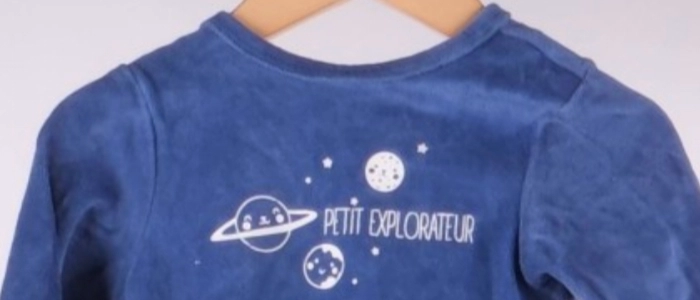
The secondhand children's clothing market is experiencing remarkable growth. Parents are increasingly turning to this option to outfit their little ones, motivated by savings of up to 70 to 80% off the new price . This trend goes beyond mere financial considerations. It reflects a conscious approach, combining budget control with environmental responsibility. Secondhand children's clothing offers access to premium brands like Petit Bateau, Jacadi, and Bonpoint at affordable prices. Children's rapid growth makes this option particularly relevant: a garment worn for just a few months can easily find a new home. Faced with the diverse offerings of thrift stores, specialized platforms, and peer-to-peer sales, how can one navigate this market effectively?
Why choose second-hand clothes for your children?
Significant savings for the family budget
Opting for secondhand baby clothes represents a major financial advantage. Price differences between new and secondhand items frequently reach 60 to 80% . A pair of pants sold for €35 in a store can easily be found for €8 in excellent condition. This difference becomes significant when you consider that a child changes sizes every three to six months during their first few years. The return on investment becomes questionable for items worn so briefly. Secondhand clothing also opens access to high-end collections, normally out of reach for the average budget. Families can thus create a varied wardrobe without compromising their monthly finances.
- R of 70 to 80% on items in excellent condition
- Access to premium brands at affordable prices
- Optimal profitability in the face of rapid child growth
- Budget freed up for other family expenses
An eco-friendly and responsible gesture
The textile industry is among the world's most polluting sectors. Every new garment produced generates a significant carbon footprint, consumes substantial water resources, and requires raw materials. Choosing responsible children's fashion directly reduces this environmental impact. By extending the lifespan of textiles, parents actively participate in the circular economy . This approach limits textile waste, which too often ends up in landfills. Recycling programs allow clothing to pass through several families, maximizing its usefulness. This sustainable approach also instills positive values in children, raising their awareness of environmental issues from a young age.
- Reduction of the textile carbon footprint
- R waste and overproduction
- Valuing existing resources
- Passing on ecological values to children
Access to top quality brands
Secondhand clothing democratizes access to brands renowned for their craftsmanship. Jacadi, Bonpoint, Cyrillus, and Tartine et Chocolat design pieces meant to last. These brands prioritize premium materials such as organic cotton, certified wool, and natural linen. Their timeless cuts and meticulous finishes guarantee exceptional longevity. A Petit Bateau sweater retains its shape and softness even after multiple washes and being passed down from one child to another. This inherent quality fully justifies the investment in secondhand clothing, where these items remain impeccable. The classic style of these collections transcends fleeting trends, ensuring lasting elegance.
- Premium brands: Petit Bateau, Jacadi, Bonpoint, Baby Dior, Ralph Lauren
- High-quality, certified skin-friendly materials
- Timeless cuts and professional finishes
- Durability tested over several years of use
Discover our selection of quality clothing for the whole family 👉
How to buy second-hand children's clothes wisely?
The essential selection criteria
R buying secondhand children's clothing relies on a few simple but crucial checks. The overall condition is the first indicator: look for items described as "like new" or "excellent condition ." Carefully examine the seams, buttons, and closures, which reveal the quality of the workmanship and care. The presence of size and brand labels makes identification easier and confirms authenticity. The fabrics deserve special attention, especially for babies whose sensitive skin requires natural fibers. Organic cotton, linen, and certified wool offer comfort and breathability. Cleanliness must be impeccable: any clean and odor-free item reflects the seller's reliability.
- Check the integrity of the seams and accessories
- Check for the presence of the original labels
- Prioritize certified natural materials
- Demand impeccable cleanliness and no odor
The different solutions for buying second-hand
The children's secondhand market is structured around several complementary channels. Specialized online platforms like Smala and Kidstorie offer professionally inspected and photographed items. They guarantee a certain level of quality through their selection processes. Physical thrift stores allow you to feel the fabrics, check the actual sizes, and leave with your purchases immediately. Secondhand private sales offer occasional opportunities with attractive prices on similar lots. Each option has its advantages depending on your priorities: speed, physical contact, or bargain hunting.
- Online platforms with professional quality control
- Thrift stores to try on and buy on site
- Private sales to take advantage of discounted prices
Explore our full range on our dedicated online store ✅
Sizes and seasons to favor
Accurately anticipating sizes optimizes your secondhand shopping. For babies aged 0 to 2 , rapid growth means you'll need to buy a size up for the following season's clothing. Children aged 2 to 12 grow more gradually, allowing for more tailored purchases. Buying off-season maximizes opportunities: winter coats in May, shorts in November. This strategy guarantees lower prices and a wider selection. Sizes generally range from 1 month to 16 years, covering the entire childhood growth cycle. Familiarize yourself with the size charts of the brands you're targeting.
- Babies: order one size up
- Buy out of season to optimize prices
- Check the brand cross-reference charts
Selling your children's clothes: a virtuous circle
Why resell clothes that have become too small?
Reselling clothes that have become too small is a clever way to close the loop of the circular economy. This practice frees up closet space while generating welcome extra income. The money earned directly finances the renewal of wardrobes in the new sizes. Every quality garment deserves a second life rather than being forgotten at the bottom of a box. Brand-name items retain an attractive residual value, even after use. This approach also teaches children about the value of objects and the importance of sharing. Actively participating in this virtuous system strengthens the alignment between environmental convictions and daily actions.
- Efficient decluttering of storage spaces
- Funding for wardrobe renewal
- Enhancing the value of premium branded items
- Educating children about responsible practices
Start discovering our modern thrift store concept now 💡