How to hunt for bargains in thrift stores like a pro: a 7-step method
Vintage fashion and secondhand clothing now attract nearly 30% of French consumers who shop there regularly. This trend stems from several motivations: the search for unique pieces, an ethical approach, and significant savings. To transform your thrift store experience into a truly successful treasure hunt, here's a 7-step method that will allow you to hunt like a pro.
Step 1 - Prepare your treasure hunt
Create a list of good addresses
The preparation begins with a thorough search for thrift stores in your neighborhood or city. Make a list, noting each store's specialties —some excel in 80s vintage, others in accessories. Find out when new stock arrives , the perfect time to discover new pieces before everyone else. Then, plan a logical route to optimize your shopping day and avoid unnecessary backtracking.
Define your needs before you leave
Take the time to inventory your wardrobe to identify what you truly need . This step will help you avoid impulsive and unnecessary purchases. Set a specific and realistic budget before you go shopping. Keep in mind that at thrift stores, quality is often better than quantity—one exceptional piece is often worth more than several ordinary items.
Step 2 - Dress strategically to facilitate fittings
Choose a simple, comfortable outfit that's easy to remove. A basic t-shirt and straight-leg jeans provide an ideal neutral base for visualizing the pieces you'll try on over them. Avoid multiple layers and clothes that are difficult to take off. Opt for slip-on shoes to save time during repeated fittings. Wearing suitable undergarments (a tank top, thin leggings) can also allow you to try on certain items directly in the store when the fitting rooms are crowded.
Step 3 - Mastering effective visual spotting
Focus first on the colors and materials
Develop an effective visual scan by focusing first on the colors and textures that naturally appeal to you. Garments that maintain a good look on the hanger are generally of higher quality —they retain their shape thanks to superior materials and construction. Touch the clothes to assess their fabric—a gesture that becomes instinctive with experience.
Explore the men's and women's sections without distinction
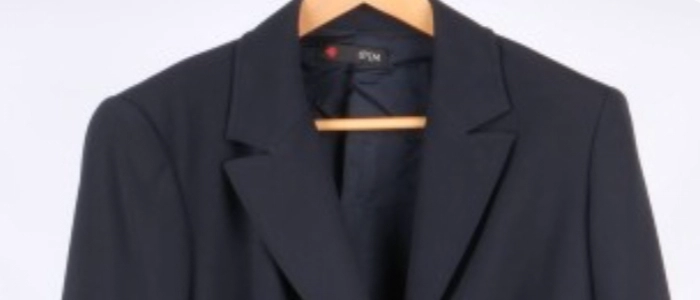
Don't limit yourself to the sections corresponding to your gender— treasures are hidden everywhere . Blazers, shirts, sweaters, and denim jackets in the men's section can offer trendy oversized cuts for women. I found my best vintage blazers by browsing the men's section. Similarly, men can discover unique pieces in the women's section, including more original jackets and accessories.
Step 4 - Learn to assess the quality of parts
Examine the labels carefully
Labels reveal a wealth of valuable information . They allow you to roughly date a garment (size, font, label materials), identify its exact composition, and sometimes even discover a quality brand or designer. Learn to recognize authentic vintage labels—their style varies by decade and can indicate a valuable piece.
Inspect the overall condition of the garment
Always check seams, closures, and buttons . Carefully examine the fabric for stains, discoloration, or wear and tear in good natural light. Pay particular attention to high-wear areas such as underarms, elbows, pockets, and shoulders, where wear and tear tends to show first. For dark garments, run your hand inside to better detect holes or tears that are invisible to the naked eye.
Step 5 - Mastering the art of trying on clothes in a thrift store
Jackets and coats: focus on shoulder fit
For structured garments like jackets and coats, the golden rule is a perfect fit at the shoulders . This part of the garment is virtually impossible to alter, even by an experienced tailor. On the other hand, sleeve length, waist width, or garment length can usually be adjusted. If the shoulders fall perfectly, the rest can be adapted.
Try it without moderation to refine your eye
Don't hesitate to try on pieces even if they're outside your budget or your usual style—this is how you 'll train your eye to see which cuts and proportions flatter you. These exploratory try-ons often reveal styles that suit you but that you would never have considered. Take photos with your phone to compare the different pieces and keep track of your favorites.
Step 6 - Know the essential pieces to find
Iconic pieces worth a look
Certain vintage pieces deserve special attention for their quality and timelessness. Among them are vintage Levi's 501 jeans, recognizable by their perfect fit; patinated leather jackets that tell a story; and silk shirts with unique patterns. Don't overlook forgotten brands like Chefdeville or Baila de Mattioli —these labels offered exceptional quality but have disappeared from the scene, making them affordable despite their excellence.
Parts to avoid
Be wary of clothing made from heavily damaged synthetic fibers, as these are likely to deteriorate quickly after purchase. Items with outdated cuts, such as certain extreme bell-bottom trousers, are difficult to incorporate into a contemporary wardrobe. Also avoid clothing with stains or persistent odors—these problems are often impossible to completely remove.
Step 7 - Adopt the philosophy of responsible purchasing
Ask yourself the right questions before buying
Before heading to the checkout, visualize at least three different outfits you could create with this new piece. If you're struggling to picture it with your existing wardrobe, question whether this purchase is truly necessary. Even at a low price, clothing that stays in the closet represents a waste of resources and space. Ask yourself if the item truly excites you or if you're simply drawn to its low price.
Maintaining and showcasing one's finds
Plan for proper cleaning as soon as your new purchases arrive. Each material requires specific care: dry cleaning for delicate wools, special leather soap for jackets, etc. Don't hesitate to invest in professional alterations to perfectly tailor your finds to your body shape—this personalization will transform a good piece into an exceptional one that will flatter you perfectly.