Key steps to organizing a successful closet sale
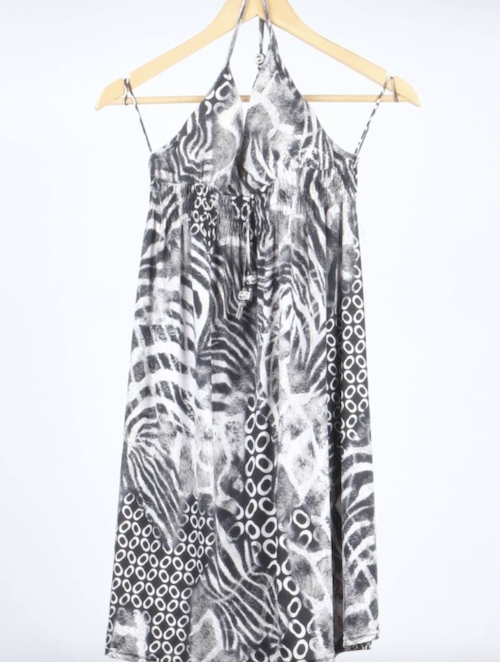
Organizing a closet cleanout is an excellent way to declutter your wardrobe , reorganize your closet , earn some extra money, and give your clothes a second life. But a successful closet cleanout doesn't happen by chance: it requires structured organization, a good sense of organization , careful visual presentation, and a real strategy to attract buyers. From logistics and regulations to showcasing your items, every detail counts to making your closet cleanouts a success.
Comply with the regulations when organizing a clothing swap
The mandatory prior declaration
Before organizing your event, you must submit a declaration of sale to the town hall. This step is essential for any clothing swap , whether private or open to the public. It generally needs to be completed 15 days before the scheduled date .
You must complete the official form (type 13939*01), indicating the location, duration, and nature of the event , and then send it by registered mail or submit it directly to the town hall. This formality ensures your event has a legal framework and avoids any penalties.
The rules to follow
A clothing swap is strictly regulated:
- Maximum 2 events per year
- Limited to 2 months per event
- Sale of personal clothing only
- Prohibition on selling new or professional products
- Prohibited on public roads in most cases
These rules help distinguish between a personal initiative to sell old clothes and a commercial activity in a boutique or store . Adhering to these guidelines will prevent any administrative complications.
Preparing your closet sale effectively
Sorting through your wardrobe and organizing your storage
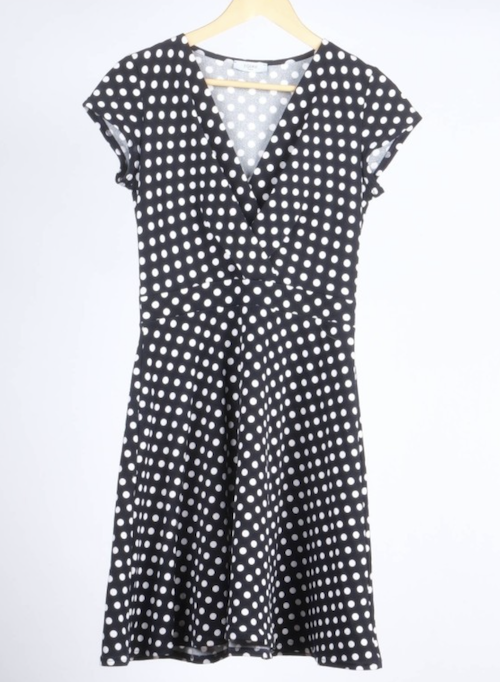
It all starts in your wardrobe . You need to sort through every garment , every piece of your wardrobe , separating what you want to keep, what you want to sell, and what you can donate.
Then group by category:
- dresses
- shirts
- jackets
- skirts
- tunics
- accessories and underwear
Organized sorting makes setup easier and improves the visual presentation on the day. The goal is to create a clear presentation, almost like a thrift store or shop window .
Create a sales strategy
Two main approaches exist:
The "rapid clearance" strategy involves selling quickly , at attractive prices, to clear out the entire stock. The "selective" strategy aims to better showcase certain items, such as designer clothing or high-quality fabrics.
In all cases, the idea is to offer a coherent assortment that attracts different types of buyers.
Set prices and organize labeling
A key step to selling effectively
Each item must be clearly identified. Use sturdy labels to:
- the price
- the size
- the category
- the brand if needed
This labeling step helps to streamline the sale and avoid repetitive discussions.
Analyze market prices, particularly in thrift stores or on secondhand platforms, to remain competitive. The goal is to find the right balance between profitability and attractiveness.
Prepare the visual setup
Create an attractive space
On the day of the closet cleanout, visual presentation is essential. A well-organized space naturally attracts visitors.
Use:
- hangers in a line
- well-structured clothes racks
- sorted by size or color
- shop or gallery style setting
Your goal is to transform your space into a real little pop-up shop , where each garment becomes visible and accessible.
Good visual organization helps visitors to visualize themselves in the space and encourages impulse purchases.
Promoting your closet sale effectively
Attracting people before the big day
A successful closet sale also depends on its communication. To attract an audience, you need to plan ahead and use several channels:
- social networks
- local groups
- posters in the cities
- word of mouth
- online ads
You can also publish a video showcasing your parts to give an overview of the available stock. The more visual your communication, the more it will attract attention.
Please remember to specify:
- the date and the place
- the schedules
- the type of clothing offered
- sizes available
This allows for the creation of an organized event and attracts genuinely interested visitors.
Organize the day of the closet cleanout
Create a fluid and pleasant space
On the big day, your space must be perfectly organized . Each area must be clearly defined to facilitate movement.
Some advice:
- create an entry/exit space
- separate the clothing categories
- use a simple and efficient checkout area
- Provide storage space for parts not on display.
If you are short on space, self-storage solutions can help you manage your surplus before the event.
Securing and managing the sale
Always keep an eye on your space and your till. Smooth organization helps limit errors and improve the shopper experience.
Also, remember to package the items sold well to enhance the customer experience.
Optimize the presentation and customer experience
A successful closet cleanout relies on visual appeal and the overall experience. The more pleasant your space is, the more attractive it will be.
Some important points:
- clean and ironed clothes
- clear organization by categories
- good brightness
- welcoming atmosphere
The goal is to create an experience similar to a small boutique , while retaining the friendly spirit of a clothing swap.
Giving your wardrobe a second life
A clothing swap isn't just about clearing out a wardrobe; it's also a way to consume more responsibly and keep existing clothes circulating. By structuring your event well, you can sell quickly, avoid waste, and give value back to each item.
If the logistics seem too complex, thrift stores or specialized platforms can also take over to help you sell your clothes effortlessly.
Organizing a closet clean-out is ultimately about learning to better manage your wardrobe, optimizing your storage, and giving a new life to what you no longer wear.