Online thrift store: how to choose the best pieces without trying them on?
The secondhand market is experiencing 15% annual growth in France. This trend reflects a growing demand for more responsible fashion, but raises a practical question: how can you choose the right secondhand clothes online without being able to try them on? Discover our tips for successful secondhand clothing purchases and avoiding disappointment.
Why buy second-hand clothes online?
The ecological and economic advantages
Choosing eco-friendly fashion by buying secondhand clothes significantly reduces your environmental impact. A secondhand garment can save up to 80% on CO2 emissions compared to a new one. Financially, the savings are equally substantial, with prices reduced by 50% to 70% compared to new items, while actively participating in the circular economy .
Access to a wider variety of styles and brands
Secondhand shopping opens the door to a world of unique pieces and vintage clothing , sometimes impossible to find through traditional channels. The various platforms available (marketplaces, specialized websites, online thrift stores) offer access to a virtually unlimited selection of quality brands at low prices , from basics to more exclusive items.
How to properly understand sizes when making an online purchase?
Take your measurements and compare them to the size guides
To avoid mistakes, take your precise measurements (bust, waist, hips) using a tape measure. Then compare these measurements with the secondhand clothing size guides provided on the websites. Be aware that secondhand sizing can vary:
- Size 38 FR = 10 UK = 6 US = 42 IT
- Size 40 FR = 12 UK = 8 US = 44 IT
- Size 42 FR = 14 UK = 10 US = 46 IT
Understanding the differences between brands and eras
Size differences between brands can be significant. A size M at Zara is not the same as a size M at H&M or Uniqlo. Older clothing generally has a slimmer fit, as clothing sizing has evolved following the trend of vanity sizing (artificially reducing sizes to flatter the consumer). Research the specific sizing of different brands before buying.
Assess the condition and quality of clothing remotely
Deciphering state descriptions and classifications
Condition ratings for second-hand clothing generally follow this scale:
- New with tags: never worn, original tags
- Like new: worn once or twice, no flaws
- Very good condition: barely worn, minimal flaws
- Good condition: worn regularly, slight signs of wear
- Satisfactory condition: visible wear but garment still wearable
Pay attention to the details mentioned in the condition of the used clothing (stains, snags, discoloration).
Analyze the photos with an expert eye
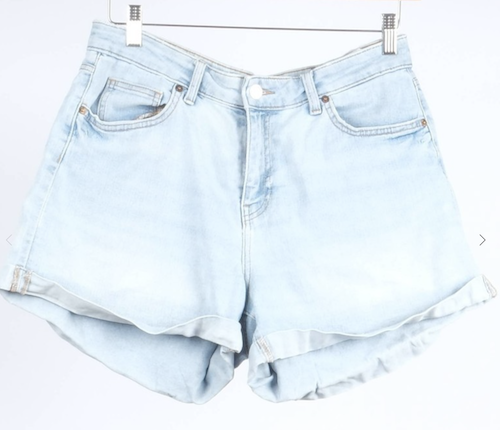
Photos of secondhand clothing are your best allies. Observe areas prone to wear and tear: elbows, knees, and crotch for pants. Check the seams, buttons, and zippers. Don't hesitate to ask for additional photos to better assess the quality of the secondhand item , especially regarding any suspicious details or areas typically subject to wear.
Choosing the right platform for buying second-hand clothes
Websites specializing in second-hand goods
Major secondhand platforms like Vinted, Vestiaire Collective, and Leboncoin offer a wide selection, but with varying levels of protection. Vinted offers buyer protection, and Vestiaire Collective verifies the authenticity of luxury items. These reliable secondhand clothing sites often offer advanced filtering systems to refine your search by size, brand, or condition.
Online thrift stores with a professional selection
French online thrift stores like Les Sales Voleurs offer a major advantage: a professional selection of items. These secondhand clothing shops meticulously check each item before listing it for sale, significantly reducing the risk of unpleasant surprises. Their descriptions are generally more detailed and reliable.
Precautions to take before finalizing your purchase
Check the return policy and shipping costs
Return policies for secondhand clothing vary considerably between platforms. Some do not accept returns at all, while others offer exchanges or refunds under certain conditions. Factor in secondhand shipping costs when calculating your total budget, as they can sometimes represent a significant portion of the final price for smaller purchases.
Communicate with the seller
Don't hesitate to contact the second-hand seller for more information. Essential questions to ask:
- What are the exact dimensions of the room?
- Are there any defects not visible in the photos?
- Does the garment have a particular smell?
Has it been retouched or modified?
The responsiveness and accuracy of the answers are good indicators of the seller's reliability.
Items to prioritize for a first online purchase
Clothing less sensitive to fit
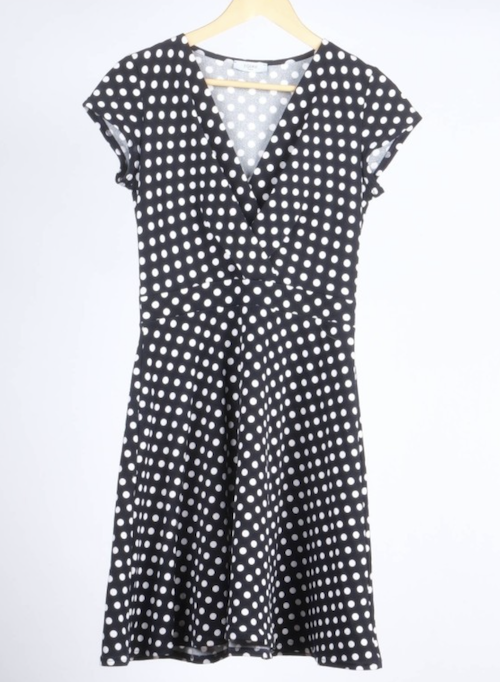
To get started with secondhand clothing , opt for loose or slightly fitted pieces: t-shirts, oversized shirts, wide jackets, and flowing dresses. Initially, avoid jeans, fitted trousers, or swimwear, which require a perfect fit for your body shape. These items, easy to buy online, will minimize the risk of disappointment.
Focus on timeless basics
Second-hand wardrobe basics are an excellent starting point: white shirts, plain t-shirts, denim jackets, or classic blazers. These timeless pre-loved pieces easily integrate into any wardrobe and can be resold without difficulty if the size doesn't ultimately work.