Recycled vs. second-hand clothing: what are the differences for the planet and your wallet?
Sustainable fashion is experiencing considerable growth in response to current environmental challenges. Faced with the traditional textile industry, one of the world's most polluting, various alternatives are emerging to reduce our ecological footprint. Second-hand clothing, recycled or upcycled pieces—these terms are often used interchangeably, yet they represent very distinct realities. These approaches vary in their manufacturing processes, their environmental impact, and their affordability. This article will help you untangle these concepts so you can make clothing choices that align with your ecological values and your budget.
Understanding the different terms: upcycling, recycling, and secondhand
Second-hand: a second life without transformation
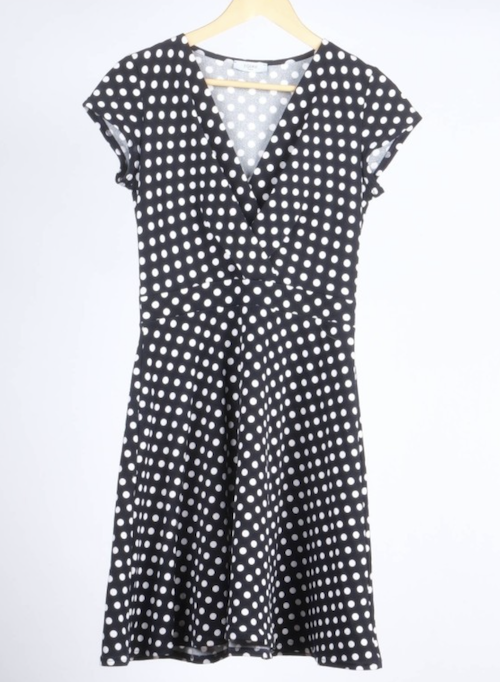
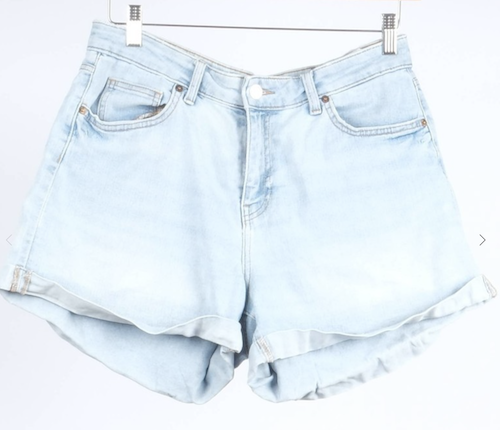
Second-hand clothing is simply pre-owned items that are resold as is, without alterations. This sector includes physical thrift stores, online clothing swaps between individuals, and specialized online platforms. A second-hand garment typically follows a simple process: collection, sorting, cleaning, and then resale.
The second-hand market is experiencing impressive growth. According to a ThredUp study, it could reach $64 billion by 2024. This success is largely due to its major environmental advantage: giving a garment a second life can reduce its carbon footprint by up to 82% compared to buying a new item.
Textile recycling: transforming raw materials
Textile recycling involves a more complex process: used clothing or textiles are collected, sorted, and then transformed into new fibers. These fibers will be used to manufacture new products. This process can be broken down into two main approaches:
- Mechanical recycling: textiles are shredded and then spun into new yarns
- Chemical recycling: the fibers are chemically dissolved to be transformed.
This method allows for substantial savings in natural resources. A t-shirt made from recycled cotton uses 91% less water than an equivalent made from virgin cotton. However, textile recycling presents technical challenges, particularly with blended fabrics that are difficult to separate.
Upcycling: creativity at the service of reuse
Upcycling represents a creative form of reuse. Unlike recycling, which breaks down the material, upcycling preserves the original structure of the garment or textile to transform it into a new piece, often with higher added value.
Upcycling techniques are varied: patchwork, embroidery, dyeing, cutting, assembling... Brands like Marine Serre and collections like Prada Re-Nylon illustrate this trend, which is gaining ground in the fashion world. Each upcycled piece becomes unique , which is both its strength and its limitation in terms of large-scale production.
Comparative environmental impact: which is the most environmentally friendly?
The carbon footprint of different approaches
In terms of CO2 emissions , the hierarchy between our different options is quite clear:
- Second-hand: the most environmentally friendly solution with a reduction of up to 82% in carbon footprint
- Upcycling: very low impact because little industrial transformation is required
- Recycling: moderate impact due to transformation processes
- New: highest carbon footprint
Second-hand clothing is distinguished by the absence of a new production phase. Emissions are mainly limited to the transport and cleaning of the items. Textile recycling, while beneficial, requires energy-intensive industrial processes, which increases its carbon footprint compared to simple reuse.
Water consumption and natural resources
Producing a single new cotton t-shirt requires approximately 2,700 liters of water. Textile recycling reduces this consumption by 60 to 90%, depending on the processes used. Upcycling and secondhand clothing are even more economical, as they completely eliminate this initial production phase.
Beyond water conservation, these alternatives preserve agricultural land and limit the use of chemicals. They also help reduce textile waste , given that 73% of clothing currently ends up in landfills or is incinerated.
The ecological limits of each approach
No solution is perfect. Secondhand clothing can extend the life of poor-quality, short-lived fast-fashion items. Textile recycling consumes energy and sometimes chemicals. As for upcycling, its artisanal nature limits its overall impact on the industry.
To maximize positive impact, prioritize good quality second-hand items, recycled items using low-impact processes, and support local upcycling which limits transportation.
Economic impact: what will it cost your wallet?
Average prices and accessibility
The price differences between these different options are significant:
- Second-hand: 50 to 80% cheaper than the equivalent new item
- Recycled: 10 to 30% cheaper than the equivalent new product
- Upcycled: prices vary greatly, often close to new prices or even higher for handcrafted items.
To illustrate these differences, a branded pair of jeans costs around €100 new, €30-50 second-hand of good quality, €70-90 in a recycled version, and can exceed €100 if it is upcycled by a designer.
Value for money and durability
The durability of a garment must be factored into the economic equation. A high-quality second-hand item can prove more economical in the long run than a new fast-fashion item that will quickly deteriorate.
Second-hand vintage clothing and upcycled pieces by designers can even increase in value over time. Conversely, some recycled garments may have less durability depending on the techniques used.
Finding the best deals: where to buy?
For secondhand clothing , the options are numerous: thrift stores like Les Sales Voleurs, online clothing swaps between individuals, and specialized online platforms. To find the best pieces, favor shops that practice rigorous selection and visit them regularly, as their stock changes rapidly.
Many traditional brands now offer dedicated lines for recycled clothing. Capsule collections and clearance sales often offer the best value for money.
Upcycled creations can mainly be found at local artisans' workshops, on artisan marketplaces or at events dedicated to sustainable fashion.
How to choose between recycled, upcycled and second-hand according to your priorities?
For ecological priorities
If your primary concern is environmental impact:
- Second-hand remains the option with the lowest overall impact
- For items requiring high hygiene standards, choose recycled materials.
- Look for certified labels like Global Recycled Standard or RWS for recycled materials
Always ask yourself these questions: Is this garment really necessary? Will its quality allow it to last? Will its care be eco-friendly?
Regarding economic priorities
If your budget is your main criterion:
- Second-hand offers the best value for money
- Opt for natural materials that age better.
- Invest in timeless, second-hand basics
- Compare the cost per use rather than the initial purchase price
An economic strategy involves mixing approaches: investing in a few recycled or upcycled pieces for frequently used basics, and supplementing with second-hand items for more fashionable pieces.
For aesthetic and creative priorities
If your personal style and originality are paramount:
- Upcycling offers unique pieces with a strong identity
- Second-hand vintage items allow you to unearth treasures that are impossible to find elsewhere.
- Recycled designer pieces combine ethics and contemporary aesthetics
For a personalized wardrobe, combine these different sources, prioritizing pieces that tell a story and reflect your values.
A closer look at Les Sales Voleurs: the second-hand shop that's got it all.
Our approach to sustainable fashion
Les Sales Voleurs embraces a circular fashion approach by offering a carefully curated selection of secondhand clothing. Each item is meticulously inspected to guarantee its quality and durability. Our small team of five is committed to making fashion more responsible and accessible every day.
Our selection process prioritizes natural materials, well-constructed pieces, and timeless styles that will transcend seasons. This approach guarantees our customers clothing that will last for years to come.
Our selection: unique pieces at affordable prices
Our catalog offers a wide range of clothing for all styles: from timeless basics to original vintage pieces. Our strength lies in our ability to find quality items at affordable prices.
We regularly update our collection to constantly offer new discoveries. Each piece is unique and represents an eco-friendly and economical alternative to conventional fashion.