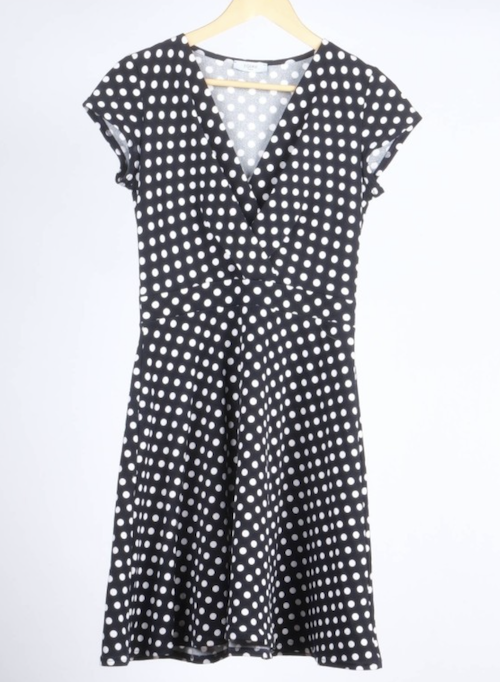
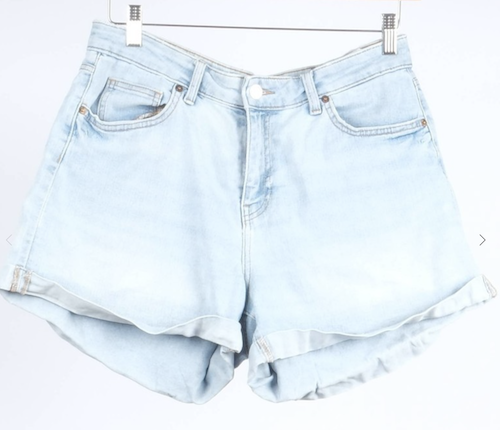
Second-hand clothing: why are the French buying more and more of it?
The second-hand clothing market is experiencing unprecedented growth in France. According to the French Fashion Institute, 30% of French people bought second-hand clothes in 2018, and a Deloitte study reveals that this market quadrupled between 2015 and 2018. This rapid growth can be explained by several factors, ranging from economic considerations and environmental concerns to the search for a unique style. Let's explore the reasons for this enthusiasm for... cheap second-hand clothes and the different ways to obtain them.
The reasons why the French are turning to second-hand goods
The economic impact: quality clothing at reduced prices
The financial argument remains one of the main motivations for purchasing second-hand clothes. The prices charged are generally 50 to 80% lower than new prices, making it possible to access items that would otherwise be unavailable. A pair of designer jeans that sells for €120 new can easily be found for between €20 and €40 secondhand.
The savings are even more significant for high-end items. A designer dress costing €500 can be purchased for €100-150 on specialized platforms. good deals allow consumers to invest in higher quality pieces, often more durable than fast-fashion items.
The superior quality of vintage clothing is also a major draw. The materials used in the past (thick cotton, genuine wool, full-grain leather) offer a durability that current productions, often made of synthetic materials, struggle to match.
Ecological commitment and sustainable fashion
Environmental awareness is a key factor in the appeal of cheap second-hand clothes. The textile industry is among the most polluting in the world, generating 1.2 billion tons of CO2 annually according to the UN.
By buying second-hand clothing, the French reduce their carbon footprint. A study by the Ellen MacArthur Foundation indicates that extending the lifespan of a garment by nine months reduces its environmental impact by 20 to 30%.
L'Circular economy It is emerging as an alternative to the linear production-consumption-waste model. Giving a second life to clothes helps to limit the extraction of new resources and the production of textile waste, estimated at 700,000 tonnes per year in France.
There responsible fashion It is becoming a priority purchasing criterion, particularly among younger generations. According to a Kantar study, 40% of 18-24 year olds consider environmental impact a decisive factor in their clothing choices.
The search for unique pieces and the expression of one's style
In a world where fast-fashion brands offer the same collections in every major city, the quest for originality is driving many French people towards secondhand clothing. unique pieces Finds from thrift stores or secondhand platforms allow you to stand out and assert a personal style.
THE vintage clothing They hold a particular fascination: wearing an 80s jacket, a 60s dress, or 90s Levi's jeans adds a narrative dimension to one's wardrobe. Each piece tells a story and possesses a character that standardized productions cannot match.
THE fashion trends Current trends, moreover, value the mixing of eras and styles. Influencers and celebrities no longer hesitate to show themselves in outfits made up of vintage finds, helping to destigmatize second-hand shopping and establish it as a trendy practice.
Essential platforms and apps for buying second-hand clothes
Applications for selling between individuals
Vinted has established itself as the undisputed market leader with 37 million users in Europe. second-hand application attracted by its intuitive interface and buyer protection. The limited fees for sellers and free service for buyers (excluding shipping costs) make it a preferred option for buy second-hand clothes at a low price.
Leboncoin remains a reliable option with its diverse range of offers and location filters that allow you to find... cheap second-hand clothes nearby. The major advantage lies in the possibility of meeting the seller and avoiding shipping costs.
Depop targets a younger audience with its Instagram-inspired interface. This peer-to-peer platform attracts 90% of users under 26 years old looking for trendy and streetwear pieces.
For luxury enthusiasts, Vestiaire Collective offers a carefully curated selection of second-hand luxury clothing authenticated. While prices remain high compared to other platforms, they are still much lower than new, with average discounts of 60% on major brands.
These applications have revolutionized the second-hand clothing sale by offering a smooth, secure and accessible experience for all, thus democratizing second-hand buying.
Physical and online thrift stores
THE thrift stores Traditional stores retain their appeal thanks to the unique experience they offer. The pleasure of browsing the racks in search of a hidden gem remains incomparable. Stores like Kilo Shop, where clothes are sold by weight, make it possible to build a wardrobe on a shoestring budget.
THE solidarity shops organizations like Emmaus or Oxfam play an important social role in addition to offering cheap second-hand clothes. The profits generated fund projects to help disadvantaged people, adding an ethical dimension to the purchase.
Digital technology has enabled the emergence of online thrift stores like Imparfaite or CrushON, which offer curated selections of vintage and secondhand pieces. These platforms facilitate access to vintage clothing high quality without having to search for hours.
Initiatives like Jaiio and OMAJ have developed innovative models to facilitate the circulation of clothing. They propose buying unused wardrobes in bulk, then reselling the items after sorting and cleaning.
Innovative alternatives for dressing without spending
Donation platforms like Geev allow people to acquire clothes for free. The principle relies on the generosity of donors who want to avoid wasting their unused clothes.
Garage sales, flea markets, and clothing swaps remain reliable ways to find... cheap second-hand clothes. These events, often festive, allow you to negotiate directly with sellers and find items at ridiculously low prices.
Clothing swaps and exchanges are gaining popularity. The principle is simple: each participant brings clothes they no longer want and can leave with the ones they like. An economical and friendly way to refresh your wardrobe.
Facebook groups dedicated to second-hand clothing sale They also constitute an interesting alternative. Often organized by neighborhood or city, they facilitate local exchanges and create communities of buyers and sellers.
How is the industry adapting to this new consumer trend?
Traditional brands are occasionally adapting
Faced with the rise of the secondhand market, traditional retailers are developing their own pre-owned initiatives. La Redoute has launched La Reboucle, a platform dedicated to reselling the brand's items. This strategy allows them to build customer loyalty while capturing a share of the market. second-hand market.
Petit Bateau offers an app that allows customers to resell their Petit Bateau clothing. To encourage this, vouchers are offered to sellers, creating a virtuous cycle.
Brands like H&M Kiabi and other retailers have implemented systems for collecting used clothing in exchange for vouchers. While these initiatives sometimes smack of greenwashing, they nonetheless demonstrate a growing awareness of the economic potential of the secondhand market.
This adaptation reflects a major strategic shift: brands can no longer ignore this segment which represents a growing share of purchasing behavior, particularly among young consumers.
New marketing strategies surrounding second-hand goods
Second-hand goods have become a marketing tool in their own right. Brands now promote upcycling and recycling in their communications, capitalizing on the appeal of the eco-friendly fashion.
Capsule collections made from reclaimed clothing are appearing in several stores. Marine Serre, for example, creates pieces from recycled clothing and materials, transforming this approach into a creative signature.
THE independent creators They are also positioning themselves in this niche, offering unique pieces made from recycled materials. This approach appeals to a clientele sensitive to environmental issues and seeking originality.
Brand communication is increasingly incorporating messages about sustainability and the second life of products, a sign of a profound evolution in the values associated with fashion.
Future prospects: towards the normalization of second-hand goods
According to a study by Thred Up, the second-hand market could surpass that of fast fashion by 2029. This spectacular projection reflects a structural change in consumer habits.
THE young consumers are driving this trend upwards. According to a Kantar survey, 55% of 18-25 year olds bought second-hand clothes in 2022, compared to only 25% of those over 55.
L'Consumption trends The move towards greater sustainability seems irreversible. Second-hand goods are no longer seen as a default choice but as a positive approach combining economic, ecological, and stylistic advantages.
Technological advances will further facilitate exchanges, with the emergence of applications using artificial intelligence to offer personalized recommendations based on users' tastes.
Tips for buying second-hand clothes wisely
How to find the best deals
To find the good deals, Timing is key. Platforms like Vinted experience peak activity at the end of the season and after major cleaning periods (spring, back-to-school). These are the times when the supply is most abundant.
Using search filters effectively saves valuable time. Filtering by size, brand, price, and garment condition helps you pinpoint exactly what you're looking for among thousands of listings.
Negotiation remains a common practice on the platforms of second-hand clothing sale. A 10-20% discount off the listed price is generally well received by sellers, especially for items that have been online for a long time.
Subscribing to alerts for specific items allows you to be notified as soon as an item matching your criteria is put up for sale. This method is particularly effective for sought-after items such as... vintage sneakers or designer items.
Avoid scams and check the quality
Carefully examining the photos is essential before making any purchase. Always ask for additional images if certain details (wear, stains, labels) are not visible. For luxury items, request photos of the serial numbers and certificates of authenticity.
Check the seller's reputation through their ratings and the age of their profile. A highly rated seller with a substantial sales history presents less risk.
For in-person purchases, always inspect the seams, zippers, and buttons. Check for any lingering odors that could be difficult to remove.
Don't hesitate to ask specific questions about the garment's condition, exact dimensions, and history. An honest seller will answer them without any problem.