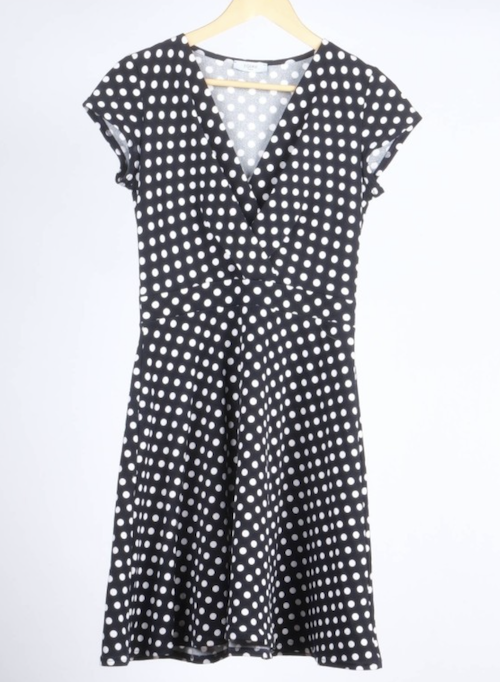
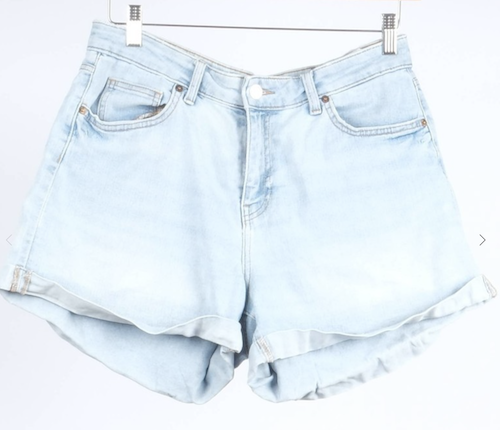
Sustainable fashion in Paris: how thrift stores reduce the carbon footprint of your wardrobe
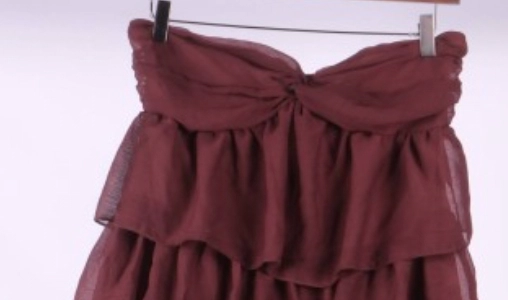
The textile industry is responsible for 10% of global CO2 emissions , ranking it among the world's most polluting sectors. In Paris, thrift stores are emerging as a concrete response to this environmental emergency. By favoring secondhand clothing, each purchase avoids the production of a new garment, thus reducing water consumption, greenhouse gas emissions, and textile waste. Thrift stores in Paris allow you to build a responsible wardrobe without sacrificing style or budget.
The catastrophic environmental impact of fast fashion
Producing a single cotton t-shirt requires 2,700 liters of water , equivalent to one person's water consumption for two and a half years. The fashion industry generates 1.2 billion tons of CO2 annually, exceeding the combined emissions of international air and sea transport. In France, each inhabitant buys an average of 60 new items of clothing per year , but wears only half of them regularly.
The fast fashion cycle exacerbates this alarming situation:
- A garment is worn on average 7 to 10 times before being thrown away.
- The lifespan of an item has decreased by 36% in 15 years.
- 700,000 tonnes of textiles are thrown away each year in France
- Less than 1% of clothing is recycled into new fibers
This overconsumption depletes natural resources and massively pollutes soils and waterways. Faced with this textile waste, sustainable fashion becomes an urgent ecological necessity.
Thrift stores: a concrete ecological alternative
Buying secondhand clothing saves 3,300 liters of water and prevents the emission of 5.4 kg of CO2 . Thrift stores operate within a circular economy model by giving clothes a second life, thus reducing the need for textile production. Each reused item represents a direct saving of resources and energy.
The environmental benefits of second-hand goods are numerous:
- 82% R in carbon footprint compared to new
- Savings on pesticides and chemicals used in cotton cultivation
- Reduction of microplastic pollution in the oceans
- Preservation of non-renewable resources
Beyond its environmental benefits, thrift stores make sustainable fashion financially accessible. A pair of jeans that sells for 80 euros in a boutique can be found for under 5 euros at a thrift store, thus democratizing responsible consumption. Affordable prices become a powerful tool for promoting eco-friendly behavior. Discover how to build a sustainable vintage wardrobe without breaking the bank.
The innovative system of the Sales Thieves: combining ecology and low prices
Les Sales Voleurs is revolutionizing Parisian thrift stores with a unique concept of weekly tiered pricing . Each item starts at €0.95 on Thursdays and gradually increases to €4.50 by the weekend. This system encourages quick purchases and guarantees a constant renewal of stock, with new items arriving every week.
Themed shops create an authentic, immersive experience:
- Safe shop in the 20th arrondissement, 31 rue d'Avron
- Underground tunnel shop in the 5th arrondissement, 42 rue Monge
- Prison shop in the 15th arrondissement, 285 rue de Vaugirard
The 4+1 free offer enhances accessibility while maximizing environmental impact: the more secondhand you buy, the more you prevent the production of new clothing. The rigorous selection guarantees quality pieces, from streetwear to vintage classics, proving that environmental commitment and style are not mutually exclusive. Every visit to these boutiques directly contributes to reducing Parisian textile waste .
A practical guide to reducing your carbon footprint through thrift shopping
Paris boasts over 150 thrift stores spread across all its arrondissements, each catering to specific needs. The Marais district has the highest concentration of vintage shops, while Montmartre and Bastille offer more affordable options. Support local businesses by shopping at neighborhood thrift stores rather than online platforms that require shipping and packaging.
For an effective, sustainable wardrobe:
- Inspect the quality of the stitching and materials before purchasing.
- Opt for natural fibers that last longer.
- Learn the basics of textile repair
- Donate your clothes instead of throwing them away
A second-hand garment worn regularly has a 30 times lower environmental impact than a new item worn occasionally. Sustainability lies as much in the frequency of use as in the method of acquisition. By adopting these simple habits, you transform your clothing consumption into a daily eco-friendly act. Explore our weekly new arrivals ➡️ to refresh your wardrobe responsibly.