Thrift stores: a real alternative to Vinted?
The second-hand market is booming in France, driven by platforms like Vinted , which brings together millions of users across Europe. But behind this massive success in reselling clothes , the limitations of this marketplace model based on peer-to-peer sales are becoming increasingly apparent: disputes, fake reviews, complicated after-sales service , and sometimes poorly inspected items.
In contrast, thrift stores , vintage shops , consignment shops and specialized e-shops appear as a real alternative , more structured and higher quality for buying or selling second-hand clothes .
Vinted: an essential but controversial marketplace
Launched in Lithuania in 2008, Vinted has established itself as a leading platform for selling clothes via mobile app . Users, known as Vinties , quickly buy and sell items from their wardrobes, often at very low prices.
You can find everything there: jackets, vests, vintage clothing, or fast-resale items from major European cities. The algorithm prioritizes the fastest-selling products, which sometimes encourages overconsumption rather than truly responsible shopping.
The advantages of Vinted
- Quick sale of unsold clothing
- Wide selection of products and brands
- Easy to list online and resell
- Very affordable prices for second-hand shopping
- Massive marketplace like eBay or other online stores
The limitations observed by users
Despite its advantages, opinions are divided. Many users report problems related to after-sales service , disputes, or poorly described items.
- Risks of non-compliant or incorrectly assessed clothing
- Dispute resolution can sometimes be slow or automated.
- Accounts are sometimes closed or blocked without explanation
- Presence of counterfeit or dubious products
- A logic of rapid consumption rather than sustainable consumption
This dynamic sometimes transforms the platform into a speed marketplace, close to express resale, rather than a genuine responsible fashion initiative.
Physical thrift stores: an authentic vintage experience
Traditional thrift stores remain a more human and higher-quality vintage alternative . Here, it's not just about quick resale, but about sourcing carefully selected pieces , often hand-sorted before being displayed on hangers in the shop.
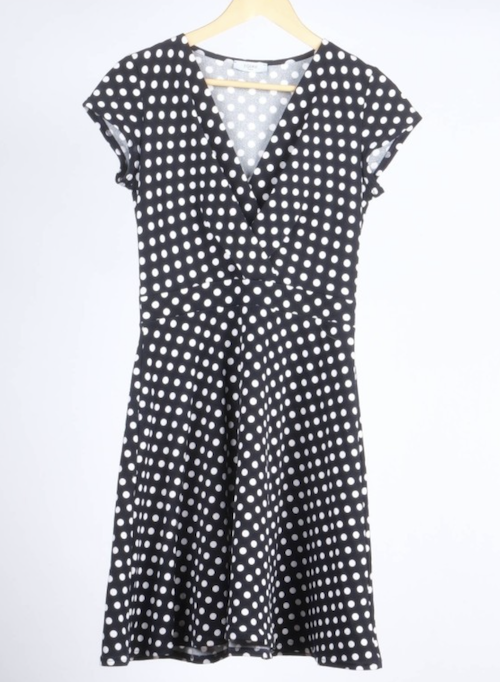
In the various cities , thrift stores and vintage boutiques offer carefully chosen selections of clothing: jackets, dresses, vests, shirts or unique pieces from donations or restocks of old collections.
The experience is completely different from Vinted: you shop , you touch the materials, you try on the clothes, and you exchange with enthusiasts.
Why are thrift stores becoming increasingly popular?
- Physical selection of clothing before sale
- A more human experience in a boutique or consignment shop
- Vintage and unique pieces that are hard to find online
- Quality checked before exhibition
- Display in the shop window and staging of the clothes
Some thrift stores operate like true vintage fashion boutiques , with an assortment of selected pieces and a curation logic similar to classic retail.
Consignment shops and online thrift stores: a regulated alternative
Between Vinted and physical stores, consignment shops and specialized platforms offer an interesting compromise. Here, clothes are sorted, checked, and sometimes even cleaned before being put on sale.
Players like eBay or other historical marketplaces remain present, but new, more specialized e-shops are developing around quality second-hand goods.
How consignment shops work
- Individuals drop off their clothes at the store
- The items are selected and chosen before the exhibition
- The sale is handled by professionals
- Payment after sale only
- Improved traceability of parts sold
Consignment sales thus make it possible to secure the resale while avoiding the frequent problems of marketplaces.
Thrift stores vs. Vinted: what are the real differences?
The choice between thrift stores and Vinted depends mainly on how you consume fashion.
Vinted: Speed above all
- Ultra-fast clothing sale
- Very competitive prices
- Large volume of parts sold
- A seamless but sometimes risky digital experience
- High-speed resale logic
Thrift stores: quality and selection
- Clothes sorted before exhibition
- Experience in a shop or consignment store
- Less volume, but more quality
- Vintage fashion and carefully selected pieces
- Less risk to the condition of the products
More responsible fashion consumption
Whether through Vinted, thrift stores or consignment shops, second-hand clothing is profoundly transforming the way we consume clothes.
Thrift stores offer a slower, more curated, and higher-quality approach. Vinted, on the other hand, remains a major player in quick resale but is sometimes more unstable.
The ideal solution is often to combine the two: use platforms to quickly sell what's been languishing in your wardrobes, and favor thrift stores or vintage shops to buy better chosen, more durable and better selected pieces.