Upcycling: how to transform your thrift store purchases into unique pieces
Upcycling, or repurposing, involves taking a second-hand garment and transforming it into a higher-quality piece. Given the alarming fact that the textile industry is the second largest source of pollution worldwide, this practice offers a concrete alternative to fast fashion. Giving a second life to thrift store finds allows you to create unique pieces while reducing your environmental footprint. This guide will walk you through the process of transforming your vintage purchases into one-of-a-kind creations, accessible to all skill levels.
What is upcycling and why apply it to your thrift store finds?
Textile upcycling differs from traditional recycling in its creative approach and reduced environmental impact. Unlike recycling, which requires an energy-intensive industrial process, upcycling directly adds value to existing garments by transforming them manually. This approach extends the lifespan of textiles and prevents their premature destruction.
The advantages of this practice, when applied to secondhand purchases, are numerous. Economically , it helps avoid overconsumption by creating personalized pieces at a lower cost. The ecological aspect aligns with sustainable fashion and the circular economy. The creative dimension offers the opportunity to develop one's own style. Finally, transforming a found garment gives it a unique sentimental value .
- R the carbon footprint associated with textile production
- Creation of unique pieces impossible to reproduce
- A controlled budget compared to buying new clothes
- Expression of a personal stylistic identity
The types of secondhand clothing ideal for upcycling
Denim is among the most popular materials for upcycling. Vintage jeans and denim jackets offer exceptional durability, making them easy to transform. The variety of available patterns and the softness the fabric acquires over time make them an ideal material for both beginners and experienced designers.
Workwear, such as overalls , aprons, and heavy-duty jackets, offers remarkable potential. Their durability ensures increased longevity after alterations, while their functional cut lends itself to numerous stylistic reinterpretations.
Household linens also represent a valuable source of raw materials. Curtains, sheets, and tablecloths offer vintage fabrics steeped in history, often unavailable in stores today. End-of-line stock and dormant fabrics allow for working with large areas to create ambitious pieces.
- Denim clothing for its durability and versatility
- Working parts for their solid structure
- Household linens made with the quality of antique fabrics
- Items with minor flaws that can be transformed into creative details
Pieces with minor flaws, such as stains, tears, or company logos, can become creative assets. These imperfections serve as a starting point for artistic interventions, like embroidery covering a stain or cutouts incorporating a tear into the final design.
Techniques and ideas for transforming your thrift store finds
Customization is the most accessible technique for beginners. Adding embroidery, patches, or beads instantly personalizes a garment. Dyeing and bleaching allow for radical color changes to create a colorful and unique style. These techniques don't require advanced sewing skills.
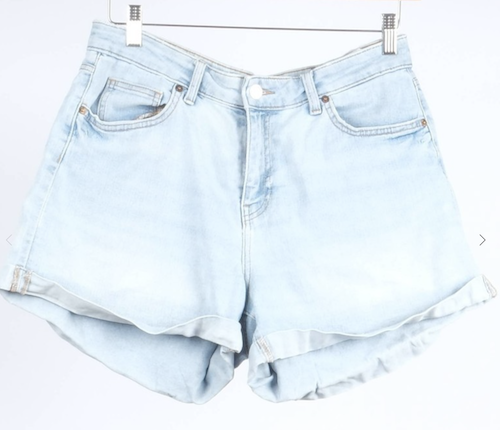
Cutting and restructuring techniques completely transform a garment's silhouette. Trousers become shorts, a vintage t-shirt is transformed into a crop top, an oversized shirt is reinvented as a fitted piece. These alterations require spatial awareness and some basic sewing skills to ensure clean finishes.
- Embroidery and patches for immediate personalization
- Dye to refresh the colors
- Cut to modify the proportions
- Assembly to create hybrid parts
Creating new items opens up endless possibilities. Transforming clothing into accessories like headbands , leg warmers, or tops allows you to make the most of every inch of fabric. Bags, whether tote bags, backpacks, or pouches, showcase durable materials. Covers and various accessories utilize fabric scraps for zero-waste upcycling.
Patchwork and collage combine different fabrics to create colorful and unique pieces. This technique allows for a minimalist style with simple arrangements or a humorous touch through unexpected combinations. Each creation reflects the personality of its creator.
Materials and skills needed to start upcycling
Basic equipment remains accessible. A sewing machine makes alterations easier, but hand sewing is sufficient for many projects. Quality scissors ensure clean cuts, while needles suited to different materials guarantee neat finishes. Customization tools like fabric paint complete the kit.
The skills to be developed are acquired gradually. The basics of sewing and garment making can be learned through online tutorials or workshops. Limitless creativity is the true driving force behind upcycling. Developing one's sense of style, whether realistic, tribal, geometric, or urban, allows one to establish a coherent visual identity. An optimistic vision of fashion encourages experimentation without fear of failure.
- Sewing machine or needle and thread to get started
- Dressmaker's scissors for precise cuts
- Creativity to imagine the transformations
- Patience is key to perfecting one's techniques.
Explore our selection of 2000s clothing perfect for your first creative makeover projects.